
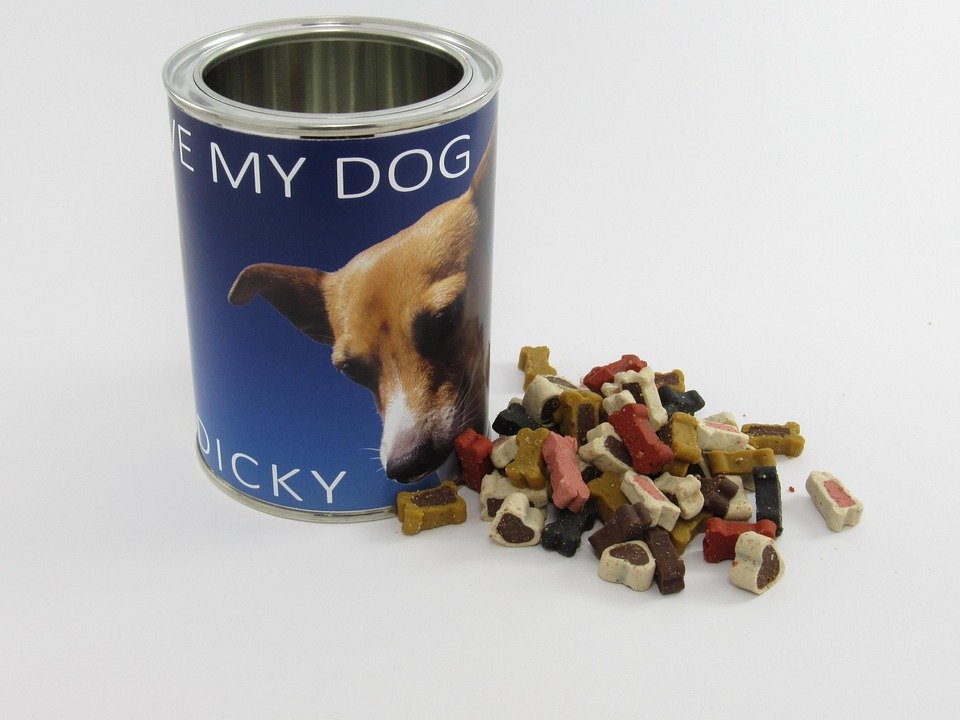
As a dog owner, providing your furry friend with a well-balanced diet is crucial for their overall health and wellbeing. A healthy diet can help prevent chronic diseases, support growth and development, and even improve their quality of life. In this comprehensive guide, we’ll delve into the world of dog nutrition, exploring the importance of balanced nutrition, macronutrients, micronutrients, and more. Whether you’re a seasoned pet parent or a newcomer to the world of dog ownership, this article is designed to provide you with the knowledge and confidence to make informed decisions about your dog’s diet.
Introduction to Dog Nutrition
Dog nutrition is a complex and fascinating field that has evolved significantly over the years. With so many commercial dog foods and homemade diets available, it can be overwhelming to navigate the options and make the right choices for your dog. However, with a little understanding of the basics, you can ensure your dog is getting the nutrients they need to thrive.
Understanding Macronutrients
Macronutrients are the building blocks of a dog’s diet and include:
- Protein: essential for growth, maintenance, and repair of tissues
- Fats: provide energy, support skin and coat health, and aid in the absorption of vitamins
- Carbohydrates: provide energy, support digestive health, and can help maintain a healthy weight
A balanced diet that includes a mix of these macronutrients is vital for maintaining your dog’s overall health. For example, a diet that is too low in protein can lead to muscle wasting, while a diet that is too high in fat can contribute to obesity.
The Importance of Micronutrients
Micronutrients, including vitamins and minerals, play a crucial role in maintaining your dog’s health. Some essential micronutrients include:
- Vitamin A: essential for healthy vision, immune function, and skin health
- Vitamin D: crucial for bone health and immune function
- Calcium: essential for bone growth and development
- Phosphorus: plays a critical role in bone health and energy metabolism
A diet that is deficient in these micronutrients can lead to a range of health problems, from mild deficiencies to life-threatening conditions.
Commercial Dog Food vs Homemade Diets
When it comes to deciding on a diet for your dog, you have two main options: commercial dog food or a homemade diet. Commercial dog foods can be a convenient and affordable option, but it’s essential to choose a high-quality food that meets your dog’s nutritional needs. Homemade diets, on the other hand, can provide a tailored approach to nutrition, but they require careful planning and attention to detail to ensure your dog is getting all the necessary nutrients.
Age-Specific Nutrition
Your dog’s nutritional needs will change throughout their life, and it’s essential to provide a diet that meets their specific needs at each stage.
- Puppies: require a diet rich in protein, fat, and calcium to support growth and development
- Adult dogs: require a balanced diet that maintains their weight, supports their energy needs, and promotes overall health
- Senior dogs: may require a diet that is easier to digest, with reduced protein and fat content to support their aging bodies
Breed Size Considerations
Different breeds have unique nutritional needs, and it’s essential to consider your dog’s breed size when choosing a diet.
- Small breeds: require a diet that is high in energy density to support their fast metabolism
- Medium breeds: require a balanced diet that meets their moderate energy needs
- Large breeds: require a diet that is lower in energy density to prevent excessive growth and joint problems
Special Diets
Some dogs may require special diets due to food allergies, obesity, or sensitive stomachs. If your dog has a specific dietary need, it’s essential to work with your veterinarian to develop a tailored diet that meets their needs.
Foods That Are Safe for Dogs
While it’s tempting to share human food with your dog, it’s essential to stick to dog-safe foods to avoid toxicity. Some safe foods include:
- Cooked chicken: a lean protein source that can be added to your dog’s diet
- Sweet potatoes: a complex carbohydrate that can provide fiber and nutrients
- Green beans: a low-calorie snack that can support digestive health
Foods That Are Toxic or Dangerous for Dogs
Some human foods can be toxic or even fatal to dogs, and it’s essential to avoid them at all costs. Some toxic foods include:
- Chocolate: contains theobromine, which can be toxic to dogs
- Grapes and raisins: can cause kidney failure in dogs
- Onions and garlic: can cause anemia and damage to a dog’s red blood cells
Reading and Understanding Dog Food Labels
When choosing a commercial dog food, it’s essential to read and understand the label. Look for the following:
- Guaranteed analysis: a statement that provides the minimum and maximum percentages of crude protein, fat, fiber, and moisture
- Ingredient list: a list of ingredients in descending order of weight
- Nutritional adequacy statement: a statement that indicates the food meets the nutritional levels established by the Association of American Feed Control Officials (AAFCO)
Hydration and Water Intake
Adequate hydration is essential for your dog’s health, and it’s essential to ensure they have access to plenty of fresh water at all times.
Common Dog Nutrition Myths vs Facts
There are many myths and misconceptions surrounding dog nutrition, and it’s essential to separate fact from fiction. Some common myths include:
- Myth: Dogs are carnivores and require a diet of only meat.
Fact: While dogs are omnivores and can thrive on a diet that includes meat, they also require a balanced mix of carbohydrates, fiber, and other nutrients. - Myth: Table scraps are a healthy addition to a dog’s diet.
Fact: Table scraps can be high in fat, salt, and other nutrients that can be toxic to dogs, and should be avoided.
Conclusion
Providing your dog with a well-balanced diet is one of the most important decisions you can make as a pet parent. By understanding the basics of dog nutrition, including macronutrients, micronutrients, and age-specific needs, you can make informed decisions about your dog’s diet. Remember to always consult with your veterinarian before making any changes to your dog’s diet, and to stick to dog-safe foods to avoid toxicity.
Frequently Asked Questions (FAQs)
- Q: What is the best food for my dog?
A: The best food for your dog will depend on their age, breed, size, and individual needs. Consult with your veterinarian to determine the best diet for your dog. - Q: Can I make my own dog food at home?
A: Yes, but it’s essential to work with a veterinarian or a certified canine nutritionist to ensure the diet is balanced and meets your dog’s nutritional needs. - Q: How often should I feed my dog?
A: The frequency of feeding will depend on your dog’s age, size, and individual needs. Consult with your veterinarian to determine the best feeding schedule for your dog.
Meta Description (150-160 characters)
"Learn the basics of dog nutrition, including macronutrients, micronutrients, and age-specific needs. Provide your dog with a well-balanced diet for optimal health and wellbeing."