
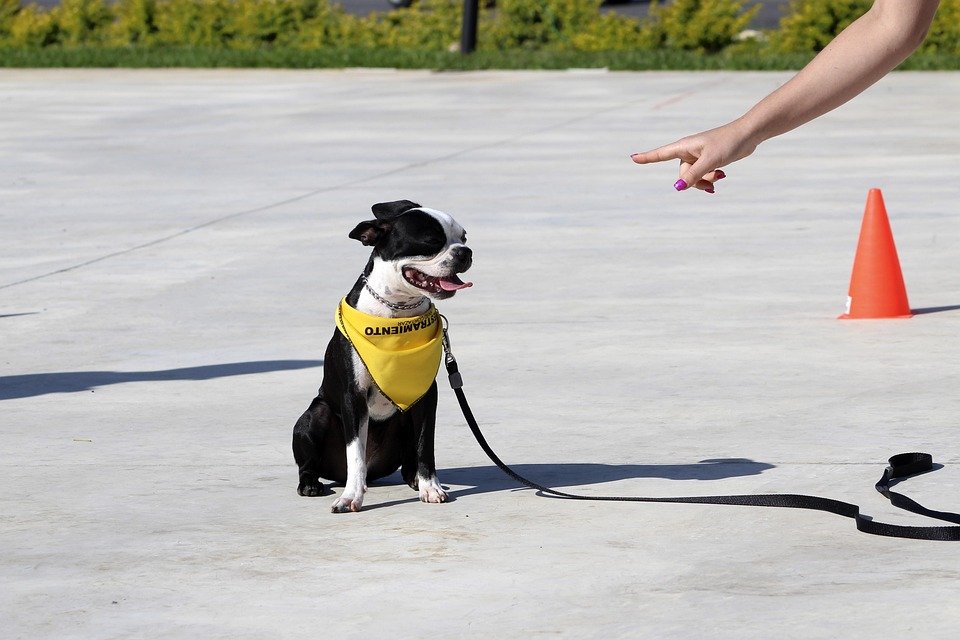
As a certified dog trainer and veterinary behavior expert, I emphasize the importance of understanding canine behavior and implementing effective training techniques to ensure a strong, healthy bond between dogs and their human families. Proper training and socialization are crucial for a dog’s mental and emotional well-being, as well as for preventing behavioral issues that can lead to stress and anxiety for both dogs and their owners.
Understanding Canine Behavior
Canine behavior is rooted in natural instincts and communication. Dogs are pack animals that thrive on interaction and socialization. They communicate primarily through body language and vocalizations, which can be misinterpreted if not understood correctly.
- Natural Instincts: Dogs have innate behaviors such as hunting, herding, and guarding, which can influence their reactions to certain stimuli.
- Communication: Understanding canine body language (posture, facial expressions, tail language) and vocalizations (barking, whining, growling) is key to effective communication.
- Learning and Response: Dogs learn through association, reinforcement, and repetition. They respond to stimuli based on past experiences and learned behaviors.
Importance of Training in Dogs
Training is not just about obedience; it’s about mental stimulation, safety, and socialization. A well-trained dog is less likely to develop behavioral problems and is more adaptable to new environments and situations.
- Mental Stimulation: Engages the dog’s mind, reducing boredom and stress.
- Safety: Prevents accidents, such as running off or reacting aggressively to strangers.
- Socialization Benefits: Helps dogs interact calmly with people, other animals, and in new environments.
Basic Dog Training Foundations
Effective training is based on positive reinforcement principles, consistency, and timing. Reward-based training methods encourage desired behaviors without causing fear or anxiety.
- Positive Reinforcement: Rewarding desired behaviors with treats, praise, or play.
- Consistency and Timing: Ensuring all family members use the same commands and rewarding good behavior immediately.
- Reward-Based Training Methods: Focusing on rewards rather than punishment for effective learning.
Essential Commands Every Dog Should Learn
Basic commands are crucial for a dog’s safety and for strengthening the bond between dog and owner.
- Sit, Stay, Come, Down, Leave It: These commands provide a foundation for more complex behaviors and ensure the dog’s safety in various situations.
- Training Tips for Beginners: Start with short sessions, use positive reinforcement, and be patient.
Puppy Training vs Adult Dog Training
The approach to training can vary significantly between puppies and adult dogs, especially considering critical socialization periods and the dog’s maturity level.
- Critical Socialization Periods: Puppies are most receptive to new experiences between 8 and 11 weeks old.
- Adjusting Techniques by Age: Puppies require more frequent, shorter training sessions, while adult dogs can focus on more complex tasks.
Common Dog Behavior Issues
Understanding and addressing behavioral issues early on can prevent them from becoming ingrained habits.
- Excessive Barking: Often a sign of boredom, anxiety, or alerting to something.
- Chewing and Destructive Behavior: Can be due to teething, boredom, or anxiety.
- Jumping on People: Usually a sign of excitement or seeking attention.
- Pulling on Leash: Often due to lack of training or excitement.
- Separation Anxiety: Distress when left alone, which can lead to destructive behavior.
Managing and Correcting Behavior Positively
Addressing behavioral issues requires patience, consistency, and positive reinforcement techniques.
- Redirection Techniques: Redirecting unwanted behavior to a more desirable one.
- Environmental Management: Changing the environment to prevent unwanted behaviors.
- Avoiding Punishment-Based Training: Focusing on rewards rather than punishment for a healthier relationship.
Socialization and Environmental Exposure
Exposing dogs to various people, pets, and environments is crucial for their development and ability to cope with new situations.
- People, Pets, and New Environments: Gradual exposure helps prevent fear and aggression.
- Fear Prevention Strategies: Positive experiences and gradual exposure can help prevent fears.
When to Seek Professional Help
Some behavioral issues may require the expertise of a professional dog trainer or behaviorist.
- Signs You May Need a Trainer or Behaviorist: Persistent behavioral issues, signs of distress, or if you’re unsure how to address a problem.
- Importance of Veterinary Guidance: Ruling out underlying medical issues that could be causing behavioral problems.
Myths vs Facts About Dog Training
Debunking common myths can help dog owners and trainers adopt more effective and humane training methods.
- Dominance Theory: Outdated and disproven, this theory suggests dogs aim to dominate humans.
- “Old Dogs Can’t Learn” Myth: Incorrect, as dogs can learn at any age with proper motivation and technique.
FAQ Section
Q: What is the best age to start dog training?
A: The earlier, the better. Puppies can start learning basic commands and socialization from 8 weeks old.
Q: How long does it take to train a dog?
A: Training is a lifelong process. Basic obedience can be achieved in a few months, but continuous learning and reinforcement are necessary.
Q: Is positive reinforcement effective?
A: Yes, it’s the most recommended and humane method for training dogs, focusing on rewards rather than punishment.
Q: How do I stop my dog from barking?
A: Identify the cause of the barking and address it. This could involve more exercise, training, or environmental changes.
Q: Can older dogs be trained?
A: Absolutely, dogs can learn at any age. Older dogs might require more patience and tailored approaches but are fully capable of learning new behaviors.
Q: What are the benefits of socialization for dogs?
A: Socialization helps dogs become confident, calm, and well-behaved in the presence of people, other animals, and in new environments, reducing the risk of behavioral issues.
In conclusion, understanding canine behavior and implementing effective, humane training techniques are essential for the well-being and happiness of both dogs and their owners. By focusing on positive reinforcement, socialization, and addressing behavioral issues promptly, dog owners can build a strong, loving relationship with their pets. Always consult with a professional if you’re unsure about any aspect of your dog’s behavior or training. Remember, every dog is unique, and what works for one may not work for another, so patience, consistency, and a willingness to adapt are key to successful dog training and ownership.