
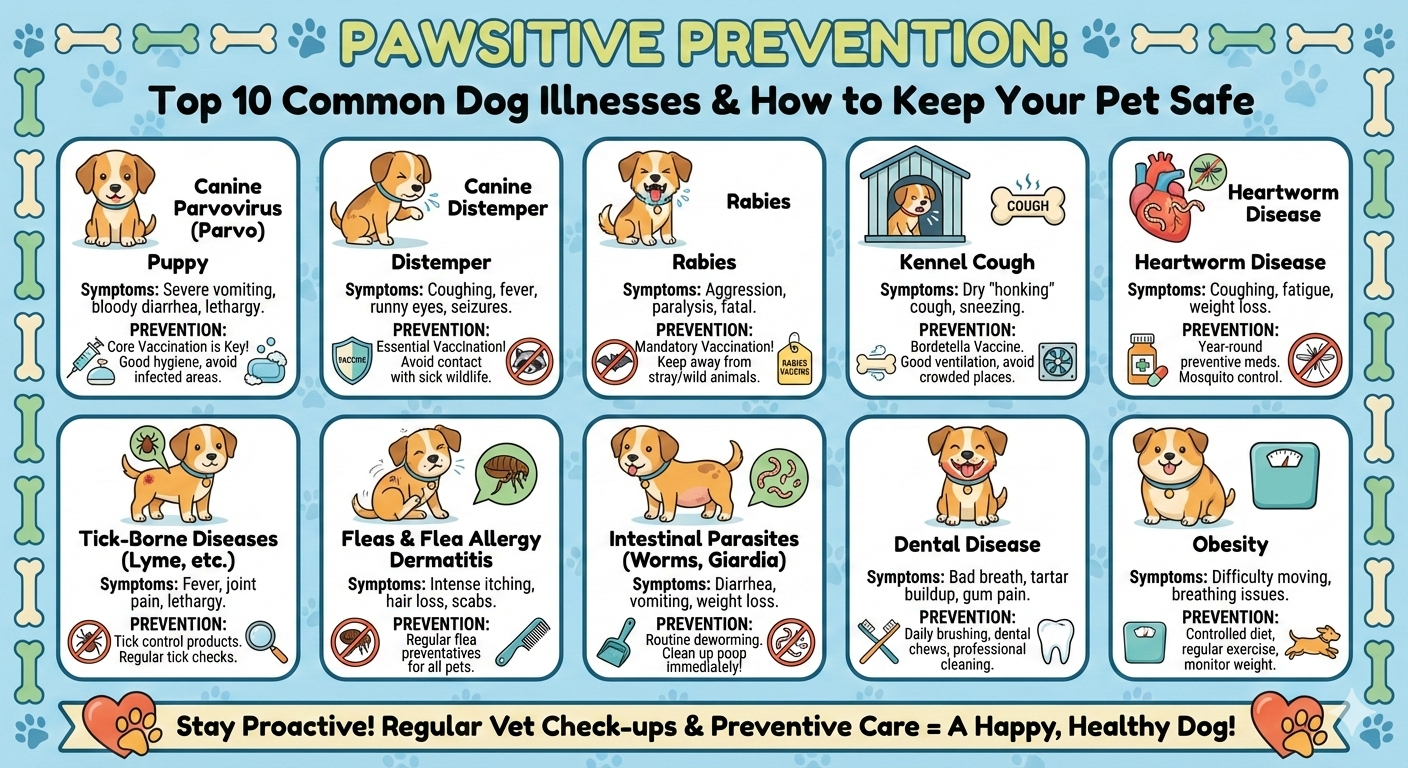
Here is a comprehensive article on dog health and wellness, following the provided structure and guidelines:
Introduction
As a dog owner, ensuring your furry friend’s health and wellness is crucial for their longevity and quality of life. A healthy dog is a happy dog, and with the right care and attention, you can help prevent common health issues and promote overall well-being. In this article, we’ll delve into the essential aspects of dog health, from physical and mental well-being to nutrition, exercise, and preventive care.
Understanding Overall Canine Health
A dog’s overall health encompasses two critical components: physical health and mental and emotional well-being. Physical health refers to the dog’s bodily functions, such as digestion, circulation, and mobility. Mental and emotional well-being, on the other hand, involves a dog’s emotional state, social behavior, and cognitive function. Both aspects are interconnected and influence each other, making it essential to address them simultaneously.
Common Health Issues in Dogs
Dogs are prone to various health issues, including:
-
- Digestive problems: gastrointestinal disorders, food allergies, and sensitivities.
-
- Skin and coat issues: allergies, flea and tick infestations, and skin infections.
-
- Joint and mobility concerns: arthritis, hip dysplasia, and cruciate ligament injuries.
-
- Dental health: tooth decay, gum disease, and bad breath.
Preventive Health Care for Dogs
Regular preventive care can help prevent or detect health issues early on. This includes:
-
- Regular vet check-ups: annual check-ups, vaccinations, and health screenings.
-
- Vaccinations and parasite control: protecting against diseases and parasites.
-
- Nutrition and hydration: providing a balanced diet and ensuring access to fresh water.
Nutrition and Diet for Optimal Wellness
A balanced dog diet should include:
-
- Proteins: essential for muscle growth and maintenance.
-
- Fats: providing energy and supporting skin and coat health.
-
- Vitamins and minerals: crucial for various bodily functions.
-
- Foods to avoid: avoiding toxic substances, such as chocolate, grapes, and onions.
Exercise and Mental Stimulation
Dogs require regular exercise and mental stimulation to stay healthy and happy. This includes:
-
- Daily activity needs: providing adequate physical activity, such as walks and playtime.
-
- Enrichment games and training: stimulating mental activity, such as obedience training and puzzle toys.
Signs Your Dog May Not Be Well
As a responsible dog owner, it’s essential to recognize early warning signs of illness or distress, including:
-
- Changes in appetite or water intake
-
- Vomiting or diarrhea
-
- Lethargy or depression
-
- Changes in urination or defecation habits
Home Care and Grooming Practices
Regular home care and grooming practices can help prevent health issues and promote overall well-being. This includes:
-
- Coat care: regular brushing, nail trimming, and ear cleaning.
-
- Nail trimming: preventing overgrowth and related health issues.
-
- Ear and eye hygiene: cleaning and inspecting ears and eyes regularly.
When to Consult a Veterinarian
If you notice any unusual signs or symptoms, it’s essential to consult a veterinarian promptly. Clear situations requiring professional help include:
-
- Severe vomiting or diarrhea
-
- Difficulty breathing or rapid breathing
-
- Severe injuries or trauma
-
- Changes in behavior or appetite
Conclusion
As a responsible dog owner, prioritizing your furry friend’s health and wellness is crucial for their longevity and quality of life. By understanding canine health, providing regular preventive care, and recognizing early warning signs, you can help prevent common health issues and promote overall well-being. Remember, a healthy dog is a happy dog, and with the right care and attention, you can ensure a long and happy life for your beloved companion.
Meta Description (155-160 characters): “Learn about dog health and wellness, from nutrition and exercise to preventive care and common health issues. Ensure a long and happy life for your furry friend.”
FAQs
Q: What is the most important aspect of dog health?
A: A balanced diet and regular exercise are crucial for maintaining overall dog health.
Q: How often should I take my dog to the vet?
A: Regular check-ups should be scheduled annually, or as recommended by your veterinarian.
Q: What are the most common health issues in dogs?
A: Digestive problems, skin and coat issues, joint and mobility concerns, and dental health issues are common health issues in dogs.
Q: Can I give my dog human food?
A: No, it’s not recommended to give your dog human food, as it can be toxic or cause digestive issues. Stick to a balanced dog diet.
Q: How can I keep my dog’s teeth clean?
A: Regular brushing, dental chews, and veterinary cleanings can help maintain your dog’s dental health.