
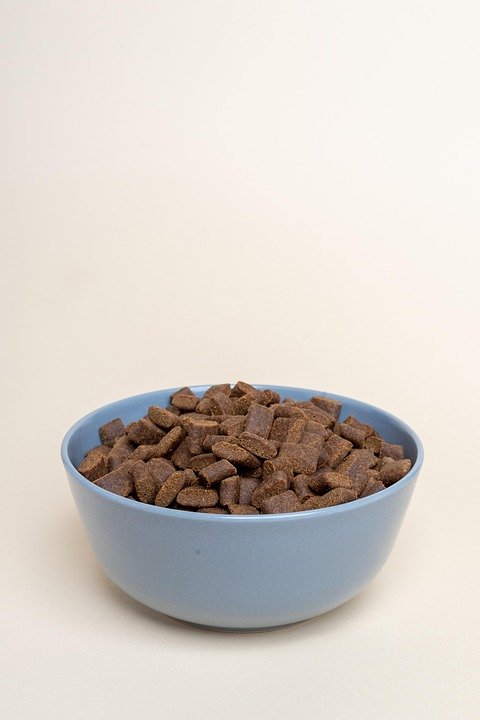
As a responsible dog owner, providing your furry friend with a balanced and nutritious diet is crucial for maintaining their overall health and wellbeing. A well-nourished dog is better equipped to fight off diseases, maintain a healthy weight, and live a long and happy life. In this comprehensive article, we will delve into the world of dog nutrition, exploring the importance of balanced nutrition, macronutrients, micronutrients, and the pros and cons of commercial dog food versus homemade diets.
Introduction to Dog Nutrition
A balanced diet is essential for dogs, as it provides them with the necessary nutrients to function properly. A diet lacking in essential nutrients can lead to a range of health problems, from mild issues such as digestive problems to severe conditions like malnutrition. As a dog owner, it’s essential to understand the nutritional needs of your pet and provide them with a diet that meets their individual requirements.
Macronutrients: The Building Blocks of a Healthy Diet
Macronutrients are the foundation of a healthy diet, providing dogs with the energy and nutrients they need to thrive. The three main macronutrients are:
- Protein: essential for building and repairing muscles, organs, and tissues.
- Fats: provide energy, help absorb vitamins, and maintain healthy skin and coat.
- Carbohydrates: provide energy, fiber, and support healthy digestion.
Some key sources of macronutrients include:
- Protein: chicken, beef, fish, lamb, and eggs
- Fats: chicken fat, fish oil, and coconut oil
- Carbohydrates: brown rice, sweet potatoes, and oats
Micronutrients: The Essential Vitamins and Minerals
Micronutrients play a vital role in maintaining a dog’s overall health, supporting immune function, and preventing diseases. Some essential vitamins and minerals include:
- Vitamin A: essential for healthy vision, immune function, and skin health.
- Vitamin D: crucial for bone health and immune function.
- Calcium: essential for healthy bones and teeth.
- Phosphorus: supports healthy bones and kidney function.
Commercial Dog Food vs Homemade Diets
When it comes to feeding your dog, you have two main options: commercial dog food or a homemade diet. Both options have their pros and cons, and the best choice for your dog will depend on their individual needs and circumstances.
Commercial Dog Food:
- Convenient and easy to feed
- Often formulated to meet a dog’s nutritional needs
- Can be more affordable than a homemade diet
Homemade Diets:
- Allow for customization to meet individual needs
- Can be more nutritious than commercial dog food
- May be more expensive than commercial dog food
However, it’s essential to note that a homemade diet requires careful planning and consultation with a veterinarian to ensure that your dog is receiving all the necessary nutrients.
Age-Specific Nutrition
A dog’s nutritional needs change throughout their life, and it’s essential to provide them with a diet that meets their individual requirements.
- Puppies: require a diet rich in protein and calories to support growth and development.
- Adult Dogs: require a balanced diet that maintains their overall health and wellbeing.
- Senior Dogs: may require a diet that is easier to digest and supports joint health.
Breed Size Considerations
Different breeds have unique nutritional needs, and it’s essential to consider these when choosing a diet for your dog.
- Small Breeds: require a diet that is high in calories and protein to support their fast metabolism.
- Medium Breeds: require a balanced diet that maintains their overall health and wellbeing.
- Large Breeds: require a diet that supports joint health and may need to be fed in multiple meals to prevent bloat.
Special Diets
Some dogs may require special diets due to food allergies, obesity, or sensitive stomachs. It’s essential to consult with a veterinarian to determine the best diet for your dog.
- Food Allergies: require a diet that avoids common allergens such as beef, dairy, and soy.
- Obesity: require a diet that is low in calories and high in fiber to support weight loss.
- Sensitive Stomach: require a diet that is easy to digest and may need to be fed in small, frequent meals.
Foods That Are Safe for Dogs
While dogs can eat a variety of human foods, it’s essential to introduce them slowly and in moderation to prevent digestive upset. Some safe human foods for dogs include:
- Cooked chicken
- Cooked fish
- Sweet potatoes
- Carrots
- Green beans
Foods That Are Toxic or Dangerous for Dogs
Some human foods are toxic or dangerous for dogs, and it’s essential to avoid them altogether. These include:
- Chocolate
- Grapes and raisins
- Onions and garlic
- Macadamia nuts
- Avocado
Reading and Understanding Dog Food Labels
When choosing a commercial dog food, it’s essential to read and understand the label. Look for the following:
- Named protein source: such as chicken or beef
- Whole ingredients: such as brown rice and sweet potatoes
- Avoid fillers: such as corn and wheat
- Avoid by-products: such as meat by-products and chicken by-products
Hydration and Water Intake
Adequate hydration is essential for dogs, and it’s essential to ensure that your dog always has access to fresh, clean water.
Common Dog Nutrition Myths vs Facts
There are many myths and misconceptions surrounding dog nutrition. Here are a few common ones:
- Myth: Dogs are carnivores and only need to eat meat.
- Fact: Dogs are omnivores and require a balanced diet that includes a variety of nutrients.
- Myth: Table scraps are a healthy treat for dogs.
- Fact: Table scraps can be high in calories and fat, and may not provide the necessary nutrients for a balanced diet.
Conclusion
Providing your dog with a balanced and nutritious diet is crucial for maintaining their overall health and wellbeing. By understanding the importance of macronutrients, micronutrients, and age-specific nutrition, you can make informed decisions about your dog’s diet. Remember to always consult with a veterinarian before making any changes to your dog’s diet, and to provide them with a variety of safe and healthy foods.
Practical Advice:
- Consult with a veterinarian to determine the best diet for your dog
- Choose a commercial dog food that meets your dog’s nutritional needs
- Introduce new foods slowly and in moderation to prevent digestive upset
- Provide your dog with a variety of safe and healthy treats
- Ensure your dog always has access to fresh, clean water
FAQs:
Q: What is the best food for my dog?
A: The best food for your dog will depend on their individual needs and circumstances. Consult with a veterinarian to determine the best diet for your dog.
Q: Can I feed my dog a homemade diet?
A: Yes, but it’s essential to consult with a veterinarian to ensure that your dog is receiving all the necessary nutrients.
Q: What are some common foods that are toxic to dogs?
A: Some common foods that are toxic to dogs include chocolate, grapes and raisins, onions and garlic, macadamia nuts, and avocado.
Meta Description: Learn the importance of balanced nutrition for your dog and how to provide them with a healthy diet. Discover the best foods for your dog and how to avoid common nutritional mistakes.
Word Count: 1767