
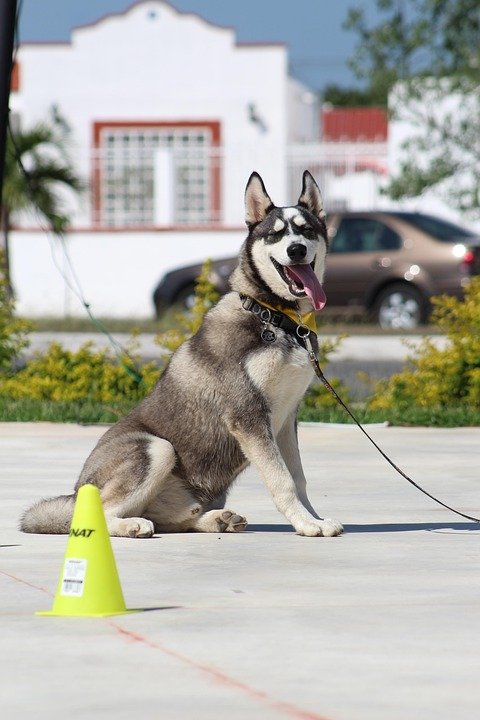
As a certified dog trainer and veterinary behavior expert, I emphasize the importance of understanding canine behavior and implementing effective training methods to ensure a strong, healthy bond between dogs and their owners. In this article, we will delve into the world of dog training, exploring the fundamentals of canine behavior, the importance of training, and essential commands every dog should learn.
Understanding Canine Behavior
Canine behavior is shaped by a combination of natural instincts, communication, and learning. Dogs are social animals that thrive on interaction and respond to their environment through body language and vocalizations. To effectively train a dog, it’s crucial to understand how they learn and respond to stimuli.
- Natural Instincts: Dogs have an innate ability to hunt, protect, and socialize, which influences their behavior.
- Communication: Dogs communicate through body language, vocalizations, and scent marking.
- Learning: Dogs learn through association, reinforcement, and repetition.
Importance of Training in Dogs
Training is essential for dogs, as it provides mental stimulation, safety, and socialization benefits. A well-trained dog is less likely to develop behavioral issues and is more likely to be a well-adjusted member of the family.
- Mental Stimulation: Training challenges a dog’s mind, reducing boredom and stress.
- Safety: Training helps prevent accidents, such as biting or running away.
- Socialization: Training helps dogs interact with people, other animals, and new environments.
Basic Dog Training Foundations
Positive reinforcement principles are the foundation of effective dog training. Consistency, timing, and reward-based training methods are essential for successful training.
- Positive Reinforcement: Rewarding desired behavior with treats, praise, and affection.
- Consistency: Establishing clear rules and boundaries.
- Timing: Rewarding behavior at the exact moment it occurs.
Essential Commands Every Dog Should Learn
Teaching basic commands is crucial for a dog’s safety and well-being. The following commands are essential for every dog to learn:
- Sit: A basic command that helps with impulse control.
- Stay: A command that teaches a dog to remain in a stationary position.
- Come: A command that ensures a dog’s safety and recall.
- Down: A command that helps with relaxation and calmness.
- Leave It: A command that prevents unwanted behavior, such as stealing food.
Training Tips for Beginners
For first-time dog owners, training can seem overwhelming. Here are some tips to get started:
- Start with short sessions: Keep training sessions short and fun.
- Use positive reinforcement: Reward desired behavior with treats and praise.
- Be consistent: Establish clear rules and boundaries.
Puppy Training vs Adult Dog Training
Puppy training and adult dog training have different requirements. Puppies require critical socialization periods, while adult dogs may need to adjust to new environments and training techniques.
- Critical Socialization Periods: Puppies require socialization between 8 and 11 weeks old.
- Adjusting Techniques: Adult dogs may require adjustments to training techniques, such as more patience and consistency.
Common Dog Behavior Issues
Common behavior issues in dogs include excessive barking, chewing, and destructive behavior. These issues can be managed and corrected with positive training methods.
- Excessive Barking: Redirecting attention to a desired behavior.
- Chewing and Destructive Behavior: Providing appropriate chew toys and redirecting attention.
- Jumping on People: Teaching a "sit" or "down" command.
- Pulling on Leash: Using positive reinforcement and loose-leash walking.
Managing and Correcting Behavior Positively
Positive training methods are essential for managing and correcting behavior issues. Redirection techniques, environmental management, and avoiding punishment-based training are key.
- Redirection Techniques: Redirecting attention to a desired behavior.
- Environmental Management: Managing the environment to prevent unwanted behavior.
- Avoiding Punishment-Based Training: Focusing on positive reinforcement and reward-based training.
Socialization and Environmental Exposure
Socialization and environmental exposure are critical for a dog’s development. Exposing dogs to new people, pets, and environments helps prevent fear and anxiety.
- People, Pets, and New Environments: Gradually introducing dogs to new stimuli.
- Fear Prevention Strategies: Desensitizing dogs to feared stimuli.
When to Seek Professional Help
If you’re experiencing behavioral issues with your dog, it’s essential to seek professional help. A certified dog trainer or veterinary behaviorist can provide guidance and support.
- Signs You May Need a Trainer or Behaviorist: Persistent behavioral issues, such as aggression or fear.
- Importance of Veterinary Guidance: Consulting with a veterinarian to rule out underlying medical issues.
Myths vs Facts About Dog Training
There are many myths surrounding dog training. It’s essential to separate fact from fiction and focus on evidence-based training methods.
- Dominance Theory: A debunked theory that suggests dogs need to be dominated.
- "Old Dogs Can’t Learn" Myth: A myth that suggests older dogs are unable to learn new behaviors.
FAQ Section
Here are some frequently asked questions about dog training:
- What is the best age to start dog training?
The best age to start dog training is as early as possible, ideally from 8 weeks old. - How long does it take to train a dog?
The time it takes to train a dog varies depending on the individual dog and the complexity of the training. - Is positive reinforcement effective?
Yes, positive reinforcement is a highly effective training method that focuses on rewarding desired behavior. - How do I stop my dog from barking?
Redirecting attention to a desired behavior, such as a "quiet" command, can help stop excessive barking. - Can older dogs be trained?
Yes, older dogs can be trained, and it’s never too late to start training. - What is the most important thing to remember when training a dog?
The most important thing to remember when training a dog is to be patient, consistent, and positive.
In conclusion, dog training and canine behavior are complex topics that require patience, consistency, and positive reinforcement. By understanding canine behavior, implementing effective training methods, and seeking professional help when needed, dog owners can develop a strong, healthy bond with their dogs. Remember to always prioritize humane, reward-based training methods and consult with a certified dog trainer or veterinary behaviorist for personalized guidance.