
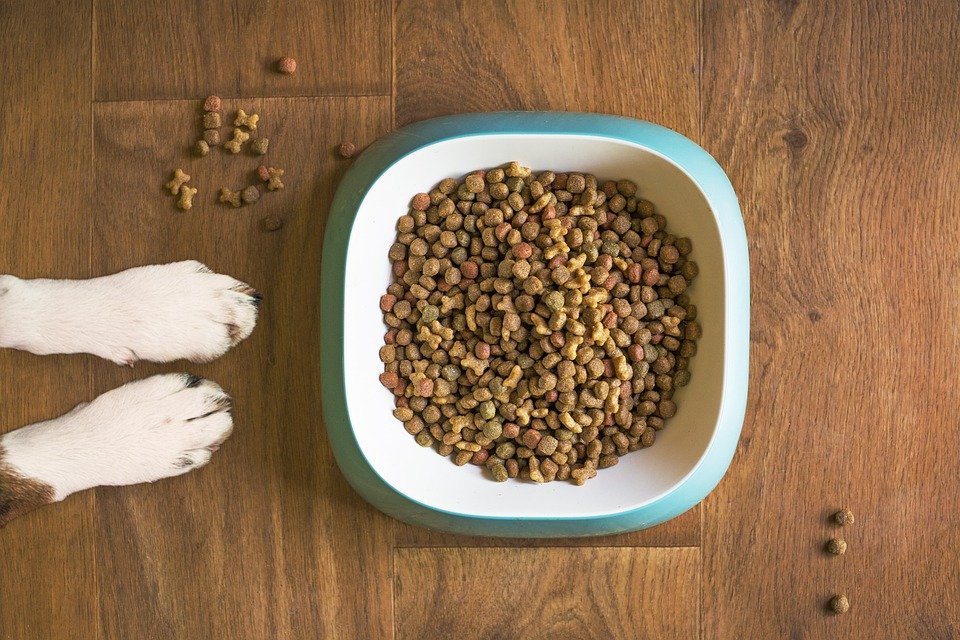
As a dog owner, providing your furry friend with a balanced and nutritious diet is one of the most critical aspects of their overall health and wellbeing. A well-crafted diet can help prevent a range of health issues, from obesity and digestive problems to skin allergies and joint pain. In this comprehensive guide, we’ll delve into the world of dog nutrition, exploring the importance of macronutrients, micronutrients, and the pros and cons of commercial versus homemade diets.
Why Nutrition Matters for Dogs
A dog’s nutritional needs vary depending on their age, breed, size, and health status. A balanced diet provides the necessary building blocks for growth, maintenance, and repair of body tissues. It also plays a crucial role in supporting immune function, energy production, and overall health. A diet lacking essential nutrients can lead to a range of health problems, making it essential to understand the fundamentals of dog nutrition.
Macronutrients: The Building Blocks of a Healthy Diet
Macronutrients are the foundation of a dog’s diet and include protein, fats, and carbohydrates.
- Protein: Essential for building and repairing tissues, including muscles, bones, and skin. Common sources include chicken, beef, fish, and lamb.
- Fats: Provide energy, support skin and coat health, and aid in the absorption of vitamins. Sources include fish oil, flaxseed oil, and coconut oil.
- Carbohydrates: While not essential, carbohydrates provide energy and fiber. Whole grains, fruits, and vegetables are good sources.
Micronutrients: Vitamins and Minerals
Micronutrients are equally important, though required in smaller quantities. They include:
- Vitamins: Such as vitamin A, D, E, K, and the B vitamins, which support various bodily functions including vision, immune function, and energy production.
- Minerals: Including calcium, phosphorus, potassium, and sodium, which are crucial for bone health, nerve function, and fluid balance.
Commercial Dog Food vs Homemade Diets
The debate between commercial dog food and homemade diets is ongoing.
- Commercial Dog Food: Convenient, nutritionally balanced, and regulated by authorities. However, quality can vary, and some contain fillers and by-products.
- Homemade Diets: Allow for customization and control over ingredients. However, they can be time-consuming, expensive, and may lead to nutritional deficiencies if not properly balanced.
Age-Specific Nutrition
Dogs have different nutritional needs at various stages of their lives.
- Puppies: Require a higher calorie and protein diet to support growth and development.
- Adult Dogs: Need a balanced diet that maintains their weight and supports overall health.
- Senior Dogs: Often require fewer calories and may need supplements to support joint health and digestion.
Breed Size Considerations
The size of the dog also plays a significant role in their nutritional needs.
- Small Breeds: May require more frequent meals due to their high metabolism.
- Medium and Large Breeds: Need diets that support joint health and may require fewer calories to prevent obesity.
Special Diets
Some dogs require special diets due to health conditions or allergies.
- Allergies: May require novel protein sources or hypoallergenic diets.
- Obesity: Need calorie-restricted diets and regular exercise.
- Sensitive Stomach: May benefit from easily digestible ingredients and fewer additives.
Safe and Toxic Foods for Dogs
It’s crucial to know what human foods are safe or toxic for dogs.
- Safe Foods: Carrots, green beans, apples, and peanut butter (in moderation).
- Toxic Foods: Chocolate, grapes, onions, garlic, and macadamia nuts.
Reading and Understanding Dog Food Labels
Choosing the right dog food can be overwhelming. Look for:
- Named Protein Sources
- Whole Ingredients
- Limited Fillers and By-Products
- Clear Nutritional Information
Hydration and Water Intake
Adequate water intake is essential for dogs, supporting digestion, temperature regulation, and overall health. Ensure your dog always has access to fresh, clean water.
Common Dog Nutrition Myths vs Facts
Separate fact from fiction when it comes to dog nutrition.
- Myth: Dogs are carnivores and only need meat.
- Fact: Dogs are omnivores and require a balanced diet that includes a variety of food groups.
Conclusion
Providing your dog with a balanced and nutritious diet is a cornerstone of responsible dog ownership. By understanding the importance of macronutrients, micronutrients, and the considerations for age, breed, and health conditions, you can make informed decisions about your dog’s diet. Whether you choose commercial dog food or a homemade diet, consulting with a veterinarian can help tailor a diet that meets your dog’s unique needs. Remember, a healthy diet is just one aspect of your dog’s overall health; regular exercise, veterinary check-ups, and plenty of love and care are also essential.
FAQs:
-
Q: What is the best food for my dog?
A: The best food for your dog depends on their age, breed, size, and health status. Consult with a veterinarian to determine the most suitable diet. -
Q: Can I make my dog’s food at home?
A: Yes, but it’s crucial to ensure the diet is well-balanced and provides all necessary nutrients. Consult with a veterinarian or canine nutritionist. - Q: How much water should my dog drink?
A: Ensure your dog always has access to fresh, clean water. The amount can vary based on size, activity level, and climate.
Meta Description: Discover the ultimate guide to dog nutrition, covering macronutrients, micronutrients, and age-specific dietary needs. Learn how to provide your dog with a balanced and healthy diet.
This article is designed to be informative and educational, encouraging dog owners to consult with veterinarians for personalized dietary advice. It avoids medical diagnosis claims and fear-based language, focusing on providing a comprehensive overview of dog nutrition.