
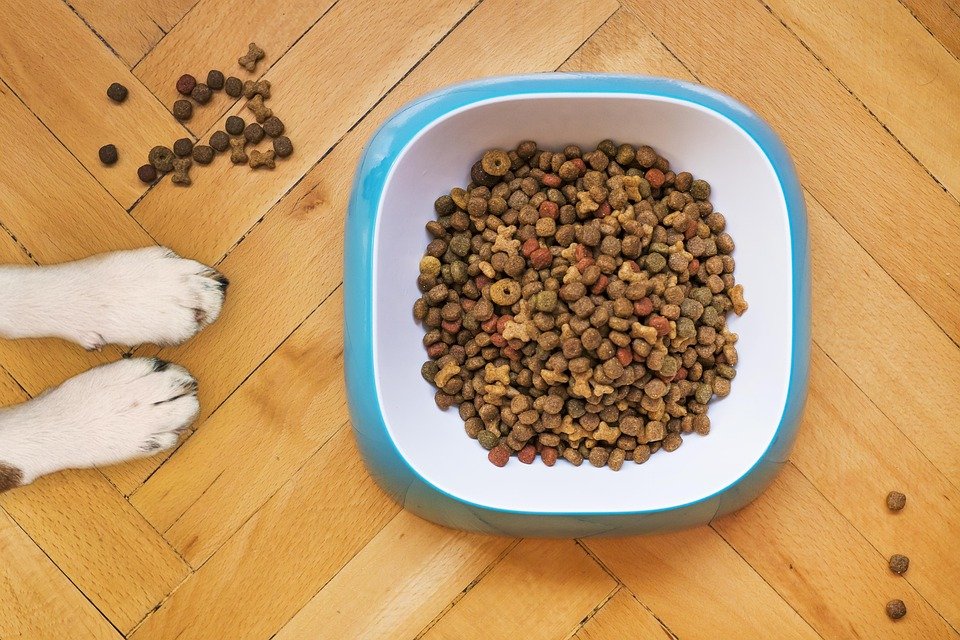
As a dog owner, providing your furry friend with a balanced and nutritious diet is crucial for maintaining their overall health and well-being. A well-crafted diet can help prevent a range of health issues, from obesity and digestive problems to skin allergies and immune system disorders. In this comprehensive guide, we’ll delve into the world of dog nutrition, exploring the essential macronutrients and micronutrients, commercial vs. homemade diets, age-specific nutrition, and much more.
Importance of Balanced Nutrition in Dogs
A balanced diet is the foundation of a healthy dog. It provides the necessary fuel for growth, maintenance, and repair of bodily tissues. A diet lacking essential nutrients can lead to a range of health problems, including malnutrition, weakened immune system, and increased risk of chronic diseases. As a responsible dog owner, it’s essential to understand the nutritional needs of your canine companion and provide a diet that meets those needs.
Macronutrients: Protein, Fats, and Carbohydrates
Macronutrients are the building blocks of a dog’s diet, providing energy and supporting growth and maintenance.
- Protein: Essential for building and repairing tissues, including muscles, bones, and skin. High-quality protein sources include chicken, fish, and lamb.
- Fats: Provide energy, support skin and coat health, and aid in the absorption of vitamins. Healthy fat sources include omega-3 fatty acids found in fish and flaxseeds.
- Carbohydrates: Provide energy and fiber, supporting healthy digestion. Whole grains, fruits, and vegetables are excellent sources of complex carbohydrates.
Micronutrients: Vitamins and Minerals
Micronutrients play a vital role in maintaining a dog’s overall health, supporting immune function, and preventing deficiencies.
- Vitamins: Essential for energy production, immune function, and overall health. Key vitamins include vitamin A, D, E, K, and B vitamins.
- Minerals: Crucial for maintaining strong bones, healthy skin, and coat. Essential minerals include calcium, phosphorus, potassium, and sodium.
Commercial Dog Food vs Homemade Diets
When it comes to feeding your dog, you have two primary options: commercial dog food or a homemade diet.
- Commercial Dog Food: Convenient, nutritionally balanced, and formulated to meet a dog’s life stage and lifestyle needs. Look for high-quality brands that use whole ingredients and avoid fillers.
- Homemade Diets: Can be tailored to meet individual needs, but require careful planning and balancing to ensure nutritional adequacy. Consult with a veterinarian or canine nutritionist to ensure a well-balanced homemade diet.
Age-Specific Nutrition
A dog’s nutritional needs change throughout their life stages.
- Puppies: Require a nutrient-rich diet to support rapid growth and development. Feed a high-quality puppy food, and consider a large breed puppy food for breeds prone to joint issues.
- Adult Dogs: Need a balanced diet that maintains their overall health and supports their lifestyle. Consider a maintenance dog food, and adjust according to activity level and health status.
- Senior Dogs: May require a diet that supports joint health, digestion, and weight management. Look for senior dog food formulated with joint supplements, fiber, and fewer calories.
Breed Size Considerations
Different breed sizes have unique nutritional needs.
- Small Breeds: Require a diet that supports their high metabolism and energy needs. Feed a small breed dog food, and consider a food with joint supplements to support their joints.
- Medium Breeds: Need a balanced diet that supports their moderate energy needs. Feed a medium breed dog food, and adjust according to activity level and health status.
- Large Breeds: Require a diet that supports their joint health and slower growth rate. Feed a large breed dog food, and consider a food with joint supplements and controlled calcium levels.
Special Diets
Some dogs require special diets due to health conditions or allergies.
- Allergies: Identify and avoid common allergens such as beef, dairy, and soy. Consider a novel protein source, such as venison or duck.
- Obesity: Feed a weight management dog food, and limit treats and table scraps.
- Sensitive Stomach: Feed a gentle, easily digestible dog food, and consider adding probiotics or fiber supplements.
Foods That Are Safe for Dogs
While dogs can eat a variety of human foods, it’s essential to stick to safe and healthy options.
- Fruits: Apples, bananas, blueberries, and strawberries are all safe and nutritious.
- Vegetables: Carrots, green beans, sweet potatoes, and pumpkin are all dog-friendly.
- Proteins: Cooked chicken, fish, and eggs are all excellent protein sources.
Foods That Are Toxic or Dangerous for Dogs
Some human foods can be toxic or dangerous for dogs, so it’s essential to avoid them.
- Chocolate: Contains theobromine, which can be toxic to dogs.
- Grapes and Raisins: Can cause kidney failure in dogs.
- Onions and Garlic: Belong to the Allium family and can cause anemia.
Reading and Understanding Dog Food Labels
When selecting a dog food, it’s crucial to read and understand the label.
- Look for AAFCO or NRC Compliance: Ensure the food meets nutritional standards.
- Check the Ingredient List: Opt for whole ingredients, and avoid fillers and by-products.
- Understand the Guaranteed Analysis: Ensure the food meets your dog’s nutritional needs.
Hydration and Water Intake
Adequate hydration is essential for your dog’s health.
- Ensure Access to Fresh Water: Change water frequently, and consider a water fountain or filtered water.
- Monitor Water Intake: Ensure your dog is drinking enough water, especially in hot weather or during exercise.
Common Dog Nutrition Myths vs Facts
Separate fact from fiction when it comes to dog nutrition.
- Myth: Dogs Are Carnivores and Require a High-Protein Diet: While dogs are omnivores and require protein, they also need a balanced diet that includes carbohydrates and fiber.
- Fact: Dogs Require a Balanced Diet: A well-crafted diet that meets a dog’s nutritional needs is essential for maintaining overall health.
Conclusion
Providing your dog with a balanced and nutritious diet is crucial for maintaining their overall health and well-being. By understanding the importance of macronutrients, micronutrients, and age-specific nutrition, you can make informed decisions about your dog’s diet. Remember to always consult with a veterinarian or canine nutritionist if you have questions or concerns about your dog’s nutrition.
FAQs
- Q: What is the best food for my dog?
A: The best food for your dog depends on their life stage, lifestyle, and individual needs. Consult with a veterinarian or canine nutritionist to determine the best diet for your dog. - Q: Can I feed my dog a homemade diet?
A: Yes, but it’s essential to consult with a veterinarian or canine nutritionist to ensure the diet is nutritionally balanced and meets your dog’s needs. - Q: How often should I feed my dog?
A: The frequency of feeding depends on your dog’s age, size, and activity level. Consult with a veterinarian to determine the best feeding schedule for your dog.
Meta Description: Learn the essentials of dog nutrition and provide your furry friend with a balanced and healthy diet. Discover the importance of macronutrients, micronutrients, and age-specific nutrition, and get tips on reading dog food labels and avoiding toxic foods.