
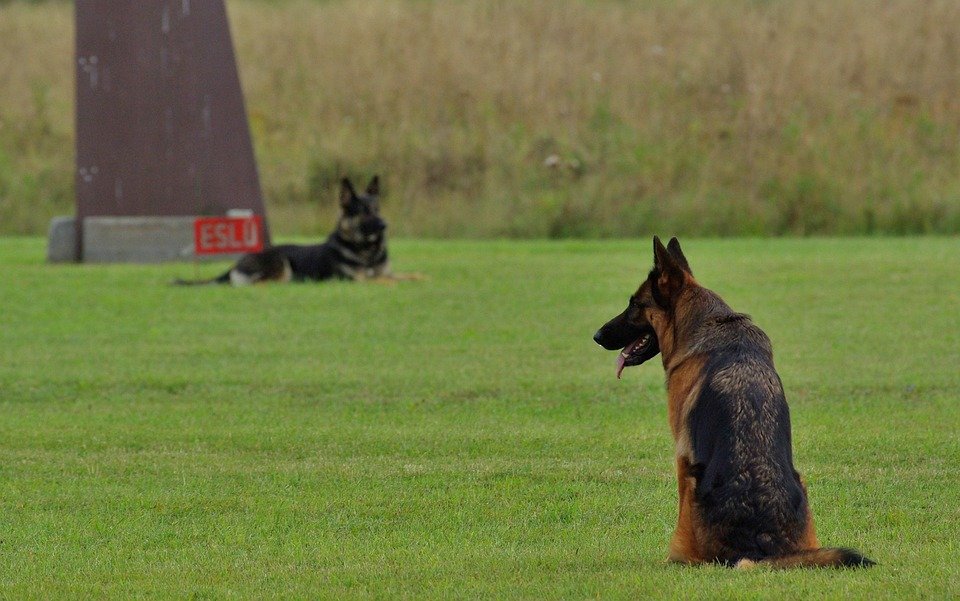
As a dog owner, understanding your dog’s behavior and training them effectively is crucial for building a strong, loving relationship and ensuring their overall well-being. In this article, we’ll delve into the world of canine behavior and training, exploring the importance of training, natural instincts, and effective training methods. Whether you’re a first-time pet parent or an experienced dog owner, this guide will provide you with the knowledge and tools you need to raise a well-behaved and happy dog.
Understanding Canine Behavior
Canine behavior is shaped by a combination of natural instincts, learning, and environment. Dogs are social animals that thrive on interaction and communication with their human family and other animals.
Natural Instincts and Communication
Dogs communicate primarily through body language, using vocalizations, facial expressions, and scent marking to convey emotions and intentions. Understanding these natural instincts and forms of communication is essential for effective training and building a strong bond with your dog.
- Dogs are pack animals and respond to hierarchical structures
- They use body language to convey emotions and intentions
- Scent marking is a primary form of communication among dogs
How Dogs Learn and Respond to Stimuli
Dogs learn through association, reinforcement, and repetition. They respond to stimuli, such as sounds, sights, and smells, and can be trained to associate certain behaviors with rewards or consequences.
- Dogs learn through positive reinforcement and association
- Consistency and repetition are key to effective training
- Dogs respond to stimuli, such as sounds and smells, and can be desensitized to them
Importance of Training in Dogs
Training is essential for dogs, providing mental stimulation, safety, and socialization benefits. A well-trained dog is a happy dog, and training can help prevent behavioral problems and strengthen the bond between dog and owner.
Mental Stimulation
Mental stimulation is crucial for dogs, as it provides a challenge and helps prevent boredom and stress. Training and interactive games can provide mental stimulation and keep your dog engaged and active.
- Mental stimulation helps prevent boredom and stress
- Training and interactive games provide a challenge and keep dogs engaged
- A stimulated dog is a happy dog
Safety and Socialization Benefits
Training can help prevent accidents and ensure your dog’s safety in various situations. Socialization is also critical, as it helps your dog interact with other dogs, people, and environments, reducing the risk of fear and aggression.
- Training helps prevent accidents and ensures safety
- Socialization is critical for reducing fear and aggression
- A well-socialized dog is a confident dog
Basic Dog Training Foundations
Positive reinforcement is the most effective and humane training method, focusing on rewarding desired behaviors rather than punishing undesired ones. Consistency, timing, and reward-based training methods are essential for successful training.
Positive Reinforcement Principles
Positive reinforcement is a powerful training tool, as it encourages desired behaviors and builds trust between dog and owner.
- Positive reinforcement encourages desired behaviors
- Consistency and timing are crucial for effective training
- Reward-based training methods are humane and effective
Consistency and Timing
Consistency and timing are essential for effective training, as they help your dog understand what is expected of them and when.
- Consistency helps dogs understand what is expected of them
- Timing is critical for rewarding desired behaviors
- A consistent and timely approach helps prevent confusion and frustration
Essential Commands Every Dog Should Learn
Teaching your dog basic commands, such as sit, stay, come, down, and leave it, is essential for their safety and well-being. These commands can help prevent accidents and ensure your dog’s safety in various situations.
- Sit: a basic command that helps with impulse control
- Stay: a command that helps with self-control and safety
- Come: a critical command that ensures your dog’s safety
- Down: a command that helps with relaxation and calmness
- Leave it: a command that helps with impulse control and safety
Puppy Training vs Adult Dog Training
Puppy training and adult dog training have different requirements and approaches. Puppies require socialization, basic training, and housebreaking, while adult dogs may need to address existing behavioral issues or learn new skills.
Critical Socialization Periods
Puppies have a critical socialization period between 8 and 11 weeks, during which they need to be exposed to various environments, people, and animals.
- Puppies need socialization between 8 and 11 weeks
- Socialization helps prevent fear and aggression
- A well-socialized puppy is a confident dog
Adjusting Techniques by Age
Training techniques and approaches need to be adjusted based on the dog’s age, breed, and individual needs.
- Puppies require patience, consistency, and positive reinforcement
- Adult dogs may need more challenging training and mental stimulation
- Senior dogs require gentle, low-impact training and plenty of praise
Common Dog Behavior Issues
Common dog behavior issues, such as excessive barking, chewing, and jumping, can be addressed through training, management, and environmental changes.
- Excessive barking: can be addressed through training and environmental changes
- Chewing: can be addressed through providing suitable chew toys and training
- Jumping: can be addressed through training and management
Managing and Correcting Behavior Positively
Positive reinforcement and management techniques can help address behavioral issues and prevent problems.
Redirection Techniques
Redirection techniques, such as redirecting attention or providing alternative behaviors, can help address behavioral issues.
- Redirection techniques help address behavioral issues
- Providing alternative behaviors can help prevent problems
- Positive reinforcement encourages desired behaviors
Environmental Management
Environmental management, such as removing triggers or providing a safe space, can help address behavioral issues.
- Environmental management helps address behavioral issues
- Removing triggers can help prevent problems
- Providing a safe space can help reduce stress and anxiety
Socialization and Environmental Exposure
Socialization and environmental exposure are critical for dogs, as they help them interact with other dogs, people, and environments, reducing the risk of fear and aggression.
- Socialization helps reduce fear and aggression
- Environmental exposure helps dogs interact with new environments
- A well-socialized dog is a confident dog
When to Seek Professional Help
If you’re experiencing behavioral issues or concerns with your dog, it’s essential to seek professional help from a certified dog trainer or behaviorist.
- Signs you may need a trainer or behaviorist: excessive barking, chewing, or jumping
- Importance of veterinary guidance: ruling out underlying medical issues
- Professional help can provide personalized guidance and support
Myths vs Facts About Dog Training
There are many myths and misconceptions about dog training, such as the dominance theory or the idea that old dogs can’t learn.
- Dominance theory: a debunked myth that can lead to ineffective training
- "Old dogs can’t learn" myth: a misconception that can prevent older dogs from receiving training and mental stimulation
- Positive reinforcement: a humane and effective training method
FAQ Section
Here are some frequently asked questions about dog training and behavior:
- What is the best age to start dog training?
The best age to start dog training is as soon as possible, ideally from 8 weeks old. - How long does it take to train a dog?
The time it takes to train a dog depends on the individual dog, breed, and training goals. - Is positive reinforcement effective?
Yes, positive reinforcement is a humane and effective training method that encourages desired behaviors. - How do I stop my dog from barking?
Addressing excessive barking requires training, management, and environmental changes. - Can older dogs be trained?
Yes, older dogs can be trained, and it’s essential to provide mental stimulation and gentle, low-impact training. - What is the importance of socialization in dog training?
Socialization is critical for reducing fear and aggression and helping dogs interact with other dogs, people, and environments.
In conclusion, understanding canine behavior and training is essential for building a strong, loving relationship with your dog. By following the guidelines and tips outlined in this article, you can help your dog become a well-behaved and happy companion. Remember to always seek professional help if you’re experiencing behavioral issues or concerns, and prioritize positive reinforcement and humane training methods. With patience, consistency, and positive reinforcement, you can unlock the secrets of canine behavior and training and raise a well-behaved and happy dog.